In the summer of 2007, my family moved to the United States. I was ten and had spent the previous three years playing cricket for my school in Mumbai. Cricket was the dream, and life revolved around it.
In Oklahoma, that structure simply did not exist. There were no school teams, no coaches, and no obvious place for a young cricketer to develop.
It became just my brother and me, sometimes joined by a couple of friends, playing makeshift Test cricket on a basketball court in the neighborhood park.
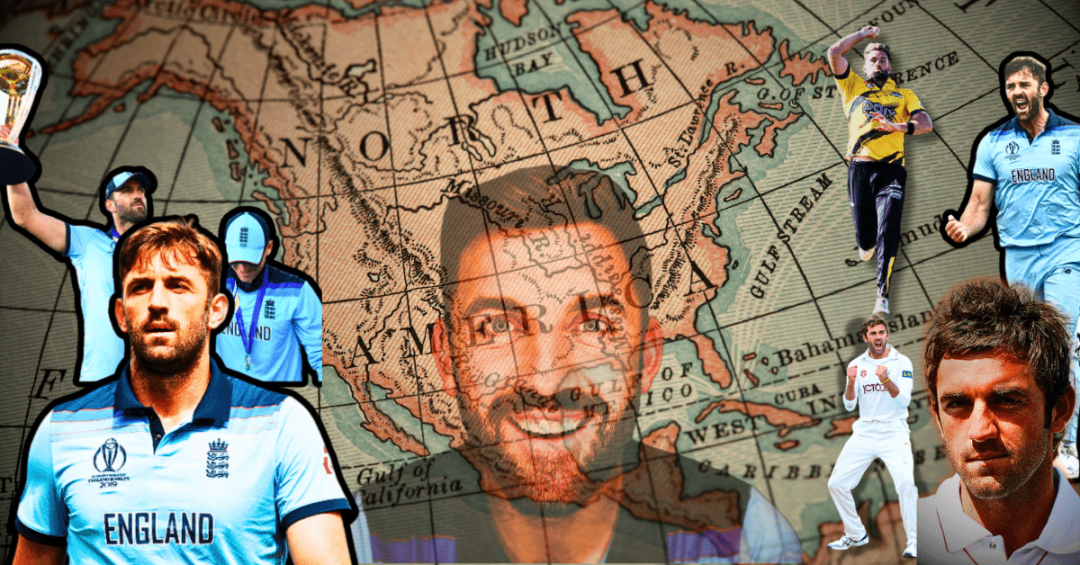
That absence is why Liam Plunkett’s work in America is worth paying attention to.
This piece looks at the second act of World Cup winner Liam Plunkett. No longer just a cricketer, he is now also a coach, commentator, businessman, and one of the driving forces behind grassroots cricket in the United States.
Investors often view the United States as a potential goldmine for cricket. Critics, on the other hand, point to administrative issues within USA cricket and dismiss the American market as a hopeless cause.
Both views hold some truth. The reality sits somewhere in the middle.
The launch of Major League Cricket (MLC) four years ago, the construction of new stadiums, and the arrival of international names such as Corey Anderson and Liam Plunkett helped jumpstart the conversation. Club cricket is already well established across major metropolitan areas, driven largely by expatriate communities. Journeys like Avinash’s in Iowa show the range of competitions that exist within American college and club cricket.
Liam Plunkett began his County career with Durham in 2003, shortly after turning eighteen.
He broke through quickly, taking 50 wickets in the 2005 season and earning an England call-up soon after that 2005 Ashes. County success followed, including a starring role in the 2007 Friends Provident Trophy and back-to-back County Championship titles in 2008 & 2009.
His international career, however, was far less linear. After his first stint with England in 2006-07, he went nearly seven years without a sustained run in the national side. Even then, he was a valuable contributor, an exceptional fielder and also featured in England’s highest 9th wicket ODI partnership with super-sub Vikram Solanki in just his 2nd ODI.
Things changed after 2016.
Plunkett re-emerged as a permanent fixture in England’s white-ball teams, first at the 2016 T20 World Cup, and then more decisively in ODI cricket. From 2016 to the 2019 ODI World Cup Final, he took 90 wickets in 53 innings at an average of 27.02, establishing himself as one of the game’s most reliable middle-overs bowlers.
He played a defining role in England’s 2019 World Cup win, finishing the tournament with 11 wickets. His spell of 10-0-42-3 in the final removed Kane Williamson, Henry Nicholls, and Jimmy Neesham, keeping England in the contest. Not to forget the 17-run crucial partnership with Ben Stokes in the tense chase.
Plunkett’s first act was shaped by adaptation, finding a role, refining it, and remaining relevant.
Dropped, But Not Done
As it would turn out, the World Cup Final was his last appearance in an England jersey. At the peak of his powers, Liam Plunkett was dropped with little communication. In his own words, “disappointment is an understatement.”
The pandemic soon followed, bringing international cricket to a halt. For a time, it was easy to assume that his career was over.
Then began the second act.
Plunkett’s wife is American, and Philadelphia had long been familiar territory. He spent a few months there each year even before his England exit. After the axe, he began playing Minor League with the Philadelphians, a team with deep historical ties to the American game.
When Major League Cricket followed, Plunkett became affiliated with the San Francisco Unicorns. What initially looked like a farewell began to resemble a transition instead.
Three years on, Plunkett is still playing in MLC, with at least one more professional season left in him. America has helped him to branch out further.
In an episode of Under the Lid by The Cricketer, Plunkett spoke how his involvement with the game has expanded well beyond playing. This has taken several forms:
Launching Beach Cricket Blast in partnership with the CPL in Barbados, designed to introduce the game to new and casual audiences
Co-hosting of That’s Cricket podcast with Adam Bannon, in collaboration with Jomboy Media, helping translate cricket for American sports fans
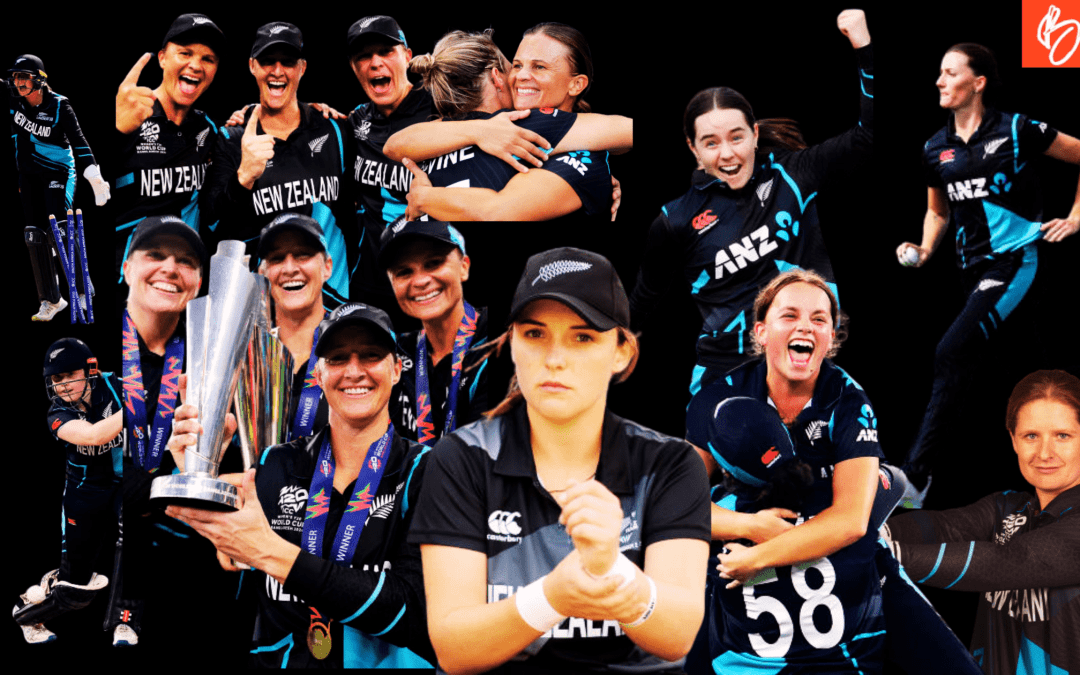
Starting Liam Plunkett Cricket (LPC) in partnership with Gameday Athletics with a focus on professionalizing coaching and training for young players. They have former English women cricket World Cup winner, Lauren Winfield Hill, and South African born MLC cricketer, Corne Dry, on their coaching staff.
When Plunkett signed for MLC, his role was not limited to playing in the Minor League and Major League. It also included a stint as a national development coach and coaching at the local academy level. That exposure made one gap impossible to ignore.
“In terms of the coach education, it never was there…And it sparked like…Why is there not a platform to coach coaches, to coach kids properly?…It’s our job to get kids strong and fit to complement their cricket skills…We want to help make cricketers healthy and fit, not just for cricket but also outside of cricket, healthy, faster, and stronger.”
– Liam plunkett
LPC is built around that gap. The focus is not only talent, but structure, helping young players learn correctly, and helping coaches learn how to teach.
Now in the US, Liam Plunkett is introducing a new generation to cricket & also helping coaches learn how to effectively teach it 👏
Another great example of a member enhancing their personal development during #FuturesMonth 👊
Technology, Training, and the American Sports Model
I recently got into golf and indoor soccer this year, and one thing stood out immediately: how central training infrastructure is to both sports.
Golf has invested heavily in technology from indoor simulators to tracking apps like TopTracer Range, used by both professionals and amateurs alike. Indoor soccer follows a similar model, with organizations such as TOCA Soccer offering year-round training, coaching, and leagues for kids.
These high performance training centers are essential to those sports develop talent. Cricket, by comparison, has largely lagged behind.
On That’s Cricket, Stuart Giles spoke about efforts to introduce indoor simulation facilities to the United States through Century Cricket, his company based in Australia working in partnership with Bangalore Tech Labs in India. Their simulators aim to allow cricketers to train year-around, regardless of weather. A training center has opened in Houston with another planned for Manhattan.
“If you put your Australia hat on, our best player and probably the key to our Ashes success, spends six months of the year in New York with nowhere where he can train or get better.”
Following Steve Smith’s journey in New York can further engage the audiences.
Jomboy, Baseball, and the American Fan
Infrastructure along is not enough. Awareness matters just as much.
For most Americans, cricket remains unfamiliar. That’s where platforms like Jomboy Media come in and help bridge the gap.
What began as a baseball podcast has grown into a full-scale media operation. His cricket breakdowns are iconic and the Warehouse Games, a hybrid format between cricket and baseball are bridging the gap between audiences. Plunkett’s Beach Cricket initiative featured Jomboy, and they have since collaborated on various podcasting gigs.
The intersection of audiences is where the future may lie in commercializing cricket in America.
How Can You Get Involved?
Liam Plunkett and his coaching staff cannot be everywhere. That is why LPC was designed to scale coaching across the US. At present, LPC offers two core pathways:
Rookie Player Course – Designed for beginners, this course covers the fundamentals of batting, bowling, wicketkeeping, and fielding.
Coaching Courses – This is for both Rookie Coach (Level 1) and Development Coach (Level 2). These courses are well suited for up and coming coaches that want to learn how to structure their sessions and to learn how to really coach cricket effectively.
For readers interested in exploring these programs, you can use code PlunkettBCD2025 to receive 20% off.
Disclosure:This is an affiliate link, which means we may receive a small commission, at no additional cost to you. This helps support our efforts in bringing you valuable content. Thank you for your support.
Here is a glimpse at what kind of online training you may receive.
Why This Second Act Matters
Liam Plunkett is still bowling bowling fast, and we may yet see one more season out of him sending down absolute rockets.
“82, 83 on a good day…I’m 41 next year. You know, I would love to actually bowl one more ball at 90 miles an hour. I’m not sure if I got it in my locker, but I’ll do my best training to get to that point.”
The story of Liam Plunkett has been one of re-invention, and I am excited to see what all he pursues behind the scenes in building American cricket.
These efforts will not on their own solve American cricket’s infrastructure problems, but at least, it is a start. It is a recognition that visibility, business investment, and grassroots programs are needed if cricket has any chance of surviving in the United States.
Perhaps 30 years from now,a kid in Oklahoma will fall in love with cricket the same way, but won’t have to stop there because coaching, facilities, and a pathway to pursue the dream will already exist.
****
Thank you all for reading! I’ll leave you with this, Liam Plunkett rattling the stumps.
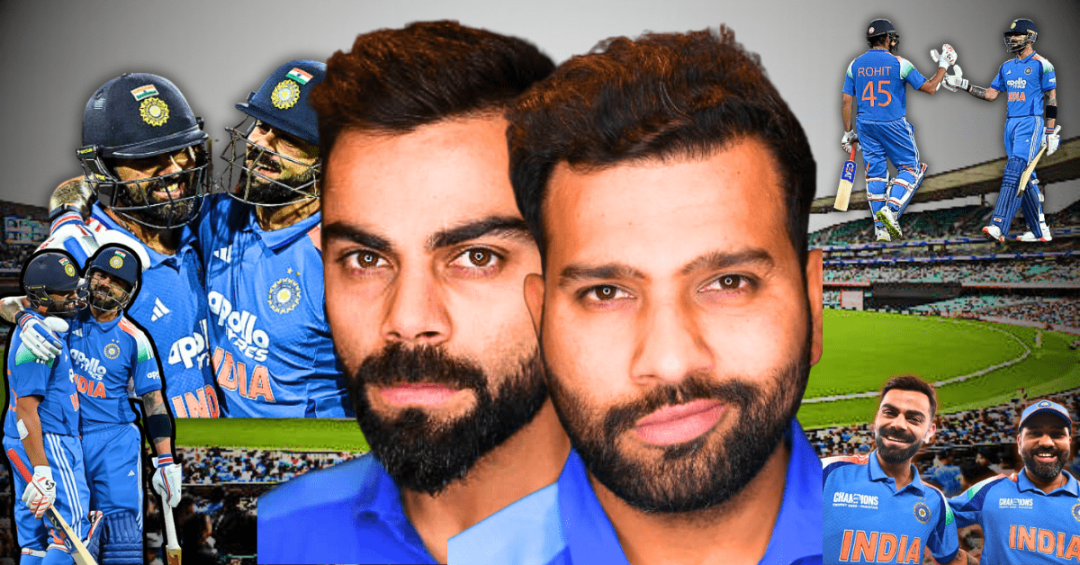
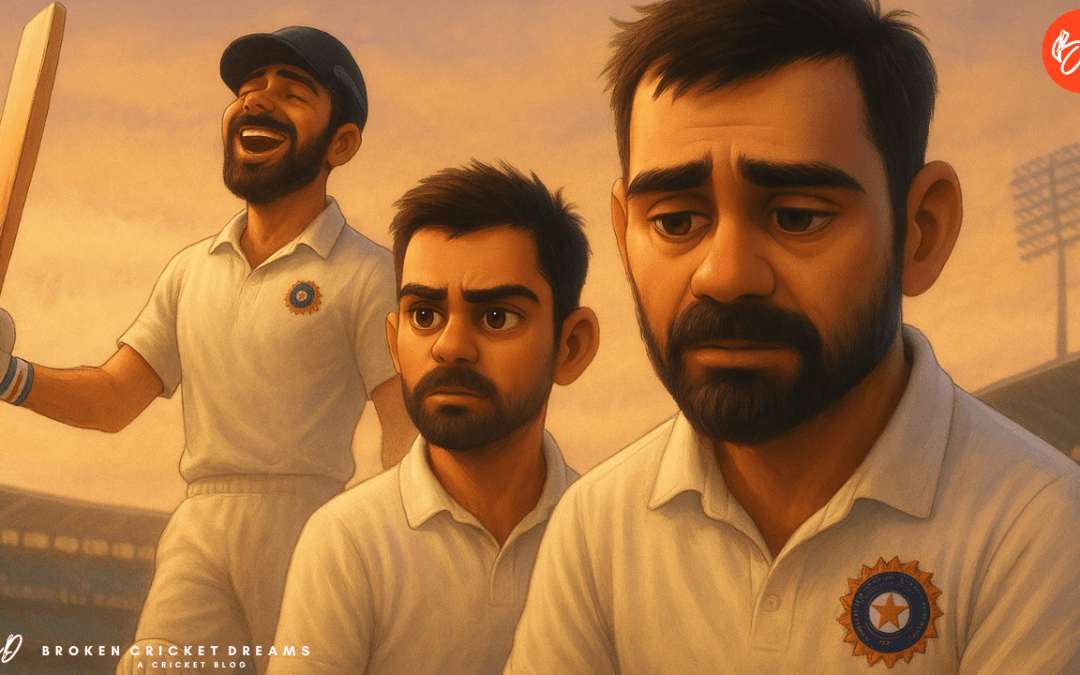
At 3:30 AM, I woke up with a jolt. First instinct: check Cricinfo. Were Kohli and Rohit still batting? Had I overslept my the innings-break nap?
Kohli was in the 20s, Rohit nearing his fifty. Phew. Relief. Breathe. They were still alive.
With one eye half-shut and one thumb on Twitter, I watched the duo bat on, one ball at a time.
At 4:47 AM, Rohit brought up his century, moments after Kohli reached his 50. Kohli gave him a hug. Both smiled. The crowd erupted. For that moment, the world seemed to pause. As if nothing else mattered.
Through the series, I celebrated each run, every fist bump, every catch and dive of Rohit and Kohli. My dad and brother would talk before and during each game as if the world’s luck depended on us.
I’d pray that India win the toss and bat. And shut off the TV after Kohli’s ducks.
But why was I acting like this? Growing up, you wouldn’t called me RoKo’s #1 fan. I used to watch every ball of any international game, follow all the T20 leagues, and stay up for a Bangladesh-Zimbabwe Test. So, why did this meaningless ODI bilateral series suddenly matter so much?
Maybe it was the realization that the end is near. Maybe because Australia appreciated these two players and knew how to give a proper farewell.
Both Kohli and Rohit retired from T20Is after winning the T20 World Cup. Expected.
Both retired from Tests. Slightly unexpected.
Then Rohit was replaced by Gill as ODI captain. Shocking. Questions started to murmur: Are they going to make it two more years? Will every series be an examination? Why is Jaiswal waiting in the wings?
And then Kohli scored two consecutive ducks for the first time in his career and waved goodbye to his beloved Adelaide supporters. All hell broke loose. Was the 3rd ODI going to be his last? Is his form dropping off the cliff? Was our childhood finally coming to an end?
We have seen transitions before. Father Time waits for no one.
Gavaskar and Kapil faded, Tendulkar and Dravid retired, Dhoni left (kinda). With each passing generation, India found new heroes, leaving behind a tinge of nostalgia for the past.
But for that one hour and seventeen minutes, Father Time paused, letting Rohit and Kohli shine, giving us a glimpse of what two upcoming emotional years could look like.
The post-match interviews ended. The sun rose. I drifted back to sleep. Time had moved on, but the memory of that morning will stay with me forever.
Thank you all for reading!
This is part of a new series of short articles, all under 500 words, where I try to make every word count. This one ended up at 429 words.
“The King Is About to Arrive”
I will leave you with these pieces of commentary gold from SEN cricket.
What do Aristotle, Socrates, René Descartes, Swami Vivekananda, Bertrand Russell, Immanuel Kant, Confucius, Dostoevsky, Jean-Jacques Rosseau, and Ravichandran Ashwin have in common?
These are the names of some of the greatest thinkers and philosophers of all time.
They didn’t just exist! They thought outside the box. Questioned the status quo. Changed the world.
And yes, you may have noticed that I subtly slipped in Ravichandran Ashwin’s name in there. Why, you may ask?
Because Ravichandran Ashwin is more than your average cricketer. He is different. He is also a thinker and has transformed into one of the most influential cricketers of this generation.
As Ashwin gets closer to his monumental 500th wicket, we look at 11 Moments which illustrates how Ravichandran Ashwin has changed the way YOU think about cricket.
Key Takeaways
Ashwin has taken 496 wickets at a bowling average of 23.79 and 51.4 strike rate. This includes 24 4-fers, 34 5-fers, and 8 10-wicket hauls in a match.
He has scored 3222 Test runs at 26.66 batting average. This includes 5 Test hundreds and 14 fifties.
His best figures are 7/59 (innings), 13/140 (match), and the highest score of 124.
Across formats, Ravichandran Ashwin has taken 724 international wickets and scored more than 4000 runs.
He is currently ranked at #2 for the Best All-Rounder in Men’s Test Cricket.
1. Desensitizing the Non-Strikers Run-Out
Let’s start with the elephant in the room—The non-strikers run-out or ‘Mankad’ as it was known in the pre-Ashwin era.
The most infamous moment was Ashwin vs Buttler. Watch the video below.
Ashwin’s involvement about the non-strikers run-out opened a conversation in cricket that was long overdue.
What do the laws of cricket say? Why does ‘Spirit of Cricket’ get selectively applied in this case? What can the bowlers do to gain advantage just like the batters when backing up?
There is still some way to go to desensitize the non-strikers run-out completely, but the bowlers are at least warning the batters more often (also a little bit of tension during the game is always fun).
2. Scoring Hundreds and Finishing Tense Chases in Test Cricket
These are significant scores. Ashwin has scored plenty of hundreds against the West Indies (both home & away) and also has had key contributions in South Africa, Australia, England, Bangladesh, and Sri Lanka. That is serious pedigree.
“I call him a scientist. He keeps discovering new things about himself. Be it bowling or batting. That is very nice for a cricketer. And that is why – the talent he has, he has maximized it over the years.”
My Favorite Ashwin Innings
My favorite Ashwin batting innings was the chase in the 2nd Test against Bangladesh in 2022. Chasing a target of 145, India had collapsed to 74/7 with Mehidy Hasan Miraz bamboozling the Indian batting.
Then came in the duo of Shreyas Iyer & Ravichandran Ashwin, constructing a counterattacking rearguard effort. By the end of it, Ashwin had scored the highest score in a fourth innings chase by a batter at #9 or below (42*) and stitched together the highest 8th wicket partnership in a successful fourth innings chase (71*) with Iyer.
3. Opening the Bowling in T20 Cricket Way Back in 2010
It was the 2010 IPL that brought Ashwin into the national contention.
Playing under captain MS Dhoni, Ashwin began opening the bowling and keeping things tight in the Powerplays.
Remember in those days, spinners opening the bowling was still a rare instance. Even Sunil Narine would debut a year later.
Ashwin ended up with the best economy (6.10) in the competition (for anyone bowling more than 6 overs in the whole IPL), CSK won the IPL for the first time, which started what would become a famed legacy, the Dhoni-Ashwin partnership began, and Ashwin (and India) was on his way to a glorious golden eighteen months.
4. Bowling that Final Ball with the Iconic Stop in the 2013 Champions Trophy Final
The golden age of Indian cricket in recent memory between 2007-2013 from the 2007 T20 World Cup to the 2013 Champions Trophy Final.
Oh yeah and there was the 2011 World Cup Final as well.
A six to win, four to tie. Wet conditions. Ashwin does a mini-pause, Tredwell starts to move, Ashwin spins the ball prodigiously.
A magnificent spell of 4-0-15-2 to drive India home in a famous victory.
5. Saving the Test at Sydney and Putting His Body on the Line
Border-Gavaskar Trophy 2020-21. We are never forgetting this, are we?
Third Test Day 5. Series in the balance. Rahane departs early.
Rishabh Pant & Cheteshwar Pujara are full flow. Pant departs on 97, Hazlewood bowls a jaffa to Pujara, Vihari suffers a hamstring injury.
Surely Australia is cruising to victory here? Think again.
Ashwin & Vihari come together to put together one of the greatest rearguard actions in recent Test history.
Ashwin had already been suffering back pains. Now the fast bowlers were bowling bouncers and targeted his rib cage. He suffered but stayed in the game. By the end of the day, he was pulling short balls for four.
6. Inventing New Deliveries and Experimenting with Bowling Action
“Methods, madness, and courage” are characteristics that drive Ashwin. In his own words,
“There is a method to my madness. People ask, ‘What is he doing? Why is he trying so many different things. It is a matter of perception.”
Method in the Madness
One of the things that sets him apart is the ability to take risks and always try out something new.
He began his career as an off-spinner and when T20 cricket demanded, he opened the bowling.
As leg spinners gained prominence in the 2010s and Ashwin was dropped from the limited overs side in 2017, he knew he had to do something different.
He changed his action, experimented with delivery strides, added the carrom ball in his arsenal of weapons, and even developed the leg spinner.
Ashwin has received a new lease of life with the Rajasthan Royals in the IPL. It jumpstarted his comeback into the Indian T20I side, but more than that, it is the manner in which has gone about his cricket at RR which is heartening to see.
This provided specialist finishers, Riyan Parag and Shimron Hetmyer, the extra few balls to finish off the innings.
Ravichandran Ashwin has become such a cult figure for out-of-the-box tactics that after Rohit Sharma retired himself during the double Super Over against Afghanistan, coach Rahul Dravid said, “Rohit retiring himself out was Ashwin-level thinking.”
9. Presence of Mind in the T20 World Cup Match Against Pakistan
Now let’s come to one of the most iconic moments in recent memory.
An India vs Pakistan match to cherish. In the 19th over, Virat Kohli played the shot heard around the world against Haris Rauf.
India were getting closer, but Hardik Pandya departed. A few balls later, Virat Kohli was on the non-strikers end.
Then came time for the finisher from the Nidahas trophy final, Dinesh Karthik. His comeback story and career revamp as a finisher had led to this one moment. But he was stumped when Nawaz bowled a wide one near outside his leg.
The Iconic Moment
Next ball, Ravichandran Ashwin is in. Nawaz attempts a similar delivery.
What does Ashwin do? HE LEAVES IT. I repeat, he leaves it! The audacity, brilliant! Wide ball called. Scores leveled.
Next ball, he just lifts the ball straight past the bowler for a four.
Calm, collected, champion. That is Ravi Ashwin for you.
The world is changing every day due to the internet and social media.
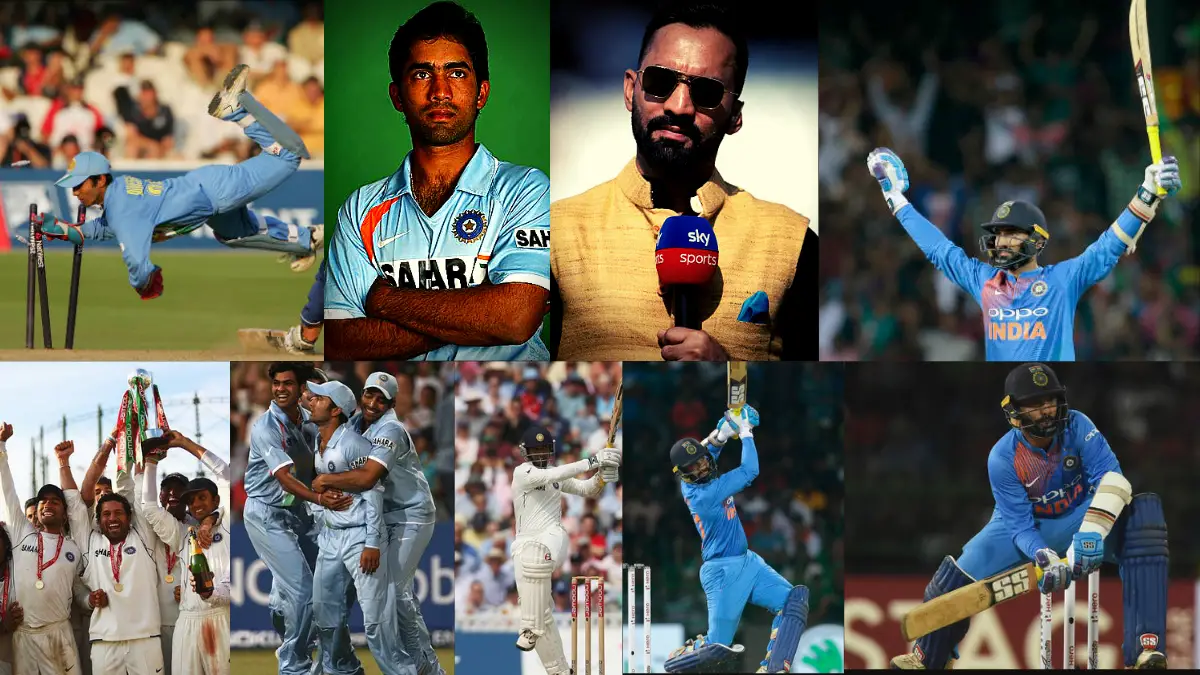
Cricket is also changing and players have to ensure they are planning for the future during their careers. We can already see the likes of Stuart Broad and Dinesh Karthik commentating before retirement. Others have put their hats into the coaching baskets.
Ashwin in his usual self, has done something slightly differently. He has started a YouTube channel! And not just any channel – the thoughtful interviews and Kutti stories have already garnered him 1.34 Million YouTube subscribers!
What is neat about this experience is the insights we are gaining from Ashwin about what happens inside the dressing room. The media is known for speculation and controversies, but Ashwin brings a more human, deeper side to the Indian cricket team. I hope more cricketers follow this path in the future.
Here is an interview series with Harsha Bhogle on India’s stories during ODI World Cups.
11. Never Backing Down
One characteristic I admire about Ravichandran Ashwin is his honesty and the ability to speak his mind regardless of the pressure.
We have already seen from a strategic point of view that he never backs down and keeps improving his skills.
Off the field as well, he doubles down on this personality trait. We can see from the press conference below (where he questions why journalists have a pre-determined view about Indian pitches) or the memorable sledge against Tim Paine that Ashwin will always be up for a fight.
12. From Engineering to Cricket
Not many athletes have dual careers at the beginning of their careers. Ashwin graduated with a BTech degree.
“My dad used to wake me up at 5:30…My mom wanted me to be an engineer. And I did it, because I actually struggled through it. I actually slogged my entire sweat out to actually do engineering and cricket. It used to be extremely hard. And extremely hard is an understatement.”
Along with family pressure, he also suffered a pelvis injury, which kept him out of cricket for a year in his peak high school years.
As a society, we judge and admire individuals after success has been achieved, but it is often the stories behind the scenes that helps us understand the true character of the individual.
13. Playing Cricket All Day Every Day
And finally, where there is cricket, there is Ashwin.
In modern-day cricket, there is barely any space for free time. There is always a World Cup, international cricket, or T20 leagues happening around the world.
But whenever Ashwin finds time, you can see him playing in the TNPL and other local matches.
Here is a hilarious clip of Ashwin reviewing a ball TWICE in the small ball because he was not satisfied with the discussion.
Classic Ashwin!
Final Thoughts – How Did Ravichandran Ashwin Change the Game of Cricket
Ravichandran Ashwin pioneered the retired out, made non-strikers run-out cool again, finished clutch matches in Test cricket, opened the batting in T20 cricket, put the body on the line to fight for his country, bowled off spin, leg spin, carrom ball, won World Cup matches on his own, started a YouTube channel, and even took two reviews on the same ball!
Ravichandran Ashwin is not just a cricketer. He transcends human nature. A true genius, thinker, philosopher, and scientist.
I’m glad to have watched Ravichandran Ashwin’s career unfold.
If this is not a story we should all appreciate, I don’t know what is.
Related Content on Some of Cricket’s Most Wonderful Stories
Mathematician. Quizzer. History buff. CEO. Director. Storyteller. Writer. Public Speaker. Sports Administrator. Looking at the life of Joy Bhattarcharjya.
Dimuth Karunaratne provided stability to Sri Lankan cricket during a turbulent decade. As he retires after 100 Tests, we look back at his stellar career.
In The Alchemist, a young shepherd named Santiago from the Andalusian region of Spain leaves his simple life to chase a dream, which he calls his 'Personal Legend.' He embarks on a journey of self-discovery filled with unexpected twists and turns. Along the way, he...
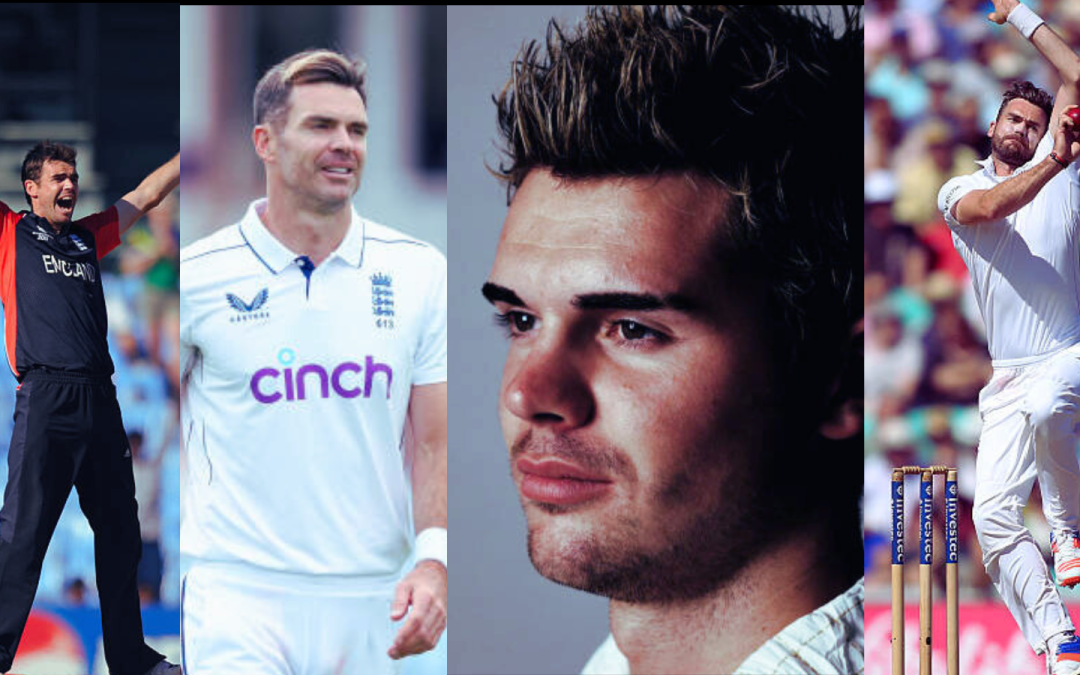
Jimmy Anderson bowled over 40,000 balls in Test cricket over an international career encompassing 5 FIFA World Cups, 6 Harry Potter movies, 8 British Prime Ministers, 8 full-time England captains, 11 Taylor Swift albums, 20 ICC Men’s tournaments, formation of four...
Neil Wagner retires after one of the most iconic Test careers of all-time. There has never been someone like him, nor will there be another Neil Wagner.
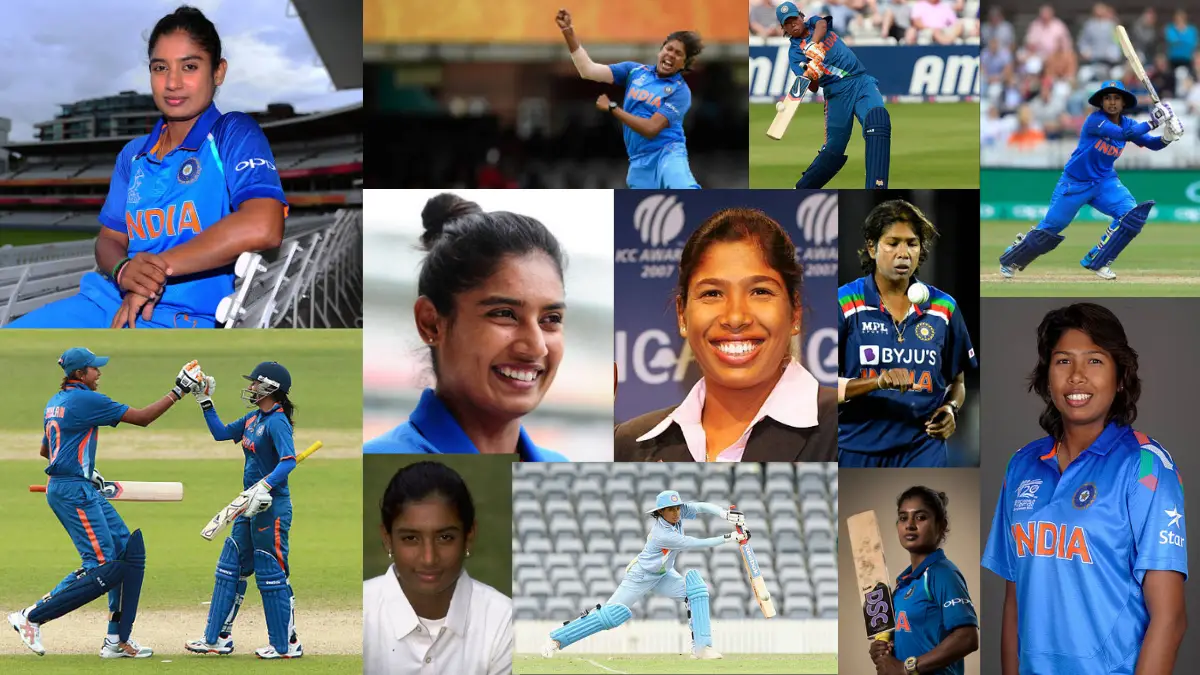
Longevity & consistency, breaking barriers, mentoring others, staying focused, and daring to dream—This is what Mithali Raj and Jhulan Goswami teaches me.
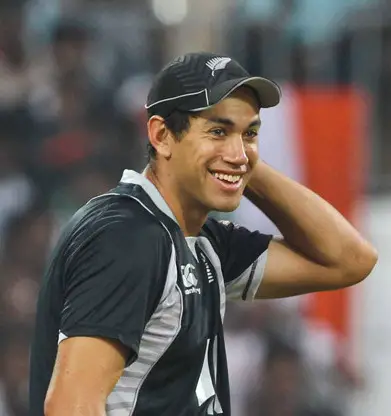
Ross Taylor is one of the all-time greats of our game. We discuss it all-his achievements, struggles, my favorite memories, and what we can learn from him.
Fired. Dropped. Left Out. Mismanaged. Ignored. Neglected.
These are some of the worst feelings to have. I’m sure all of us have suffered something similar at one time or another in our lives. As Irish poet Oscar Wilde once reflected,
“There is only one thing in life worse than being talked about, and that is not being talked about.”
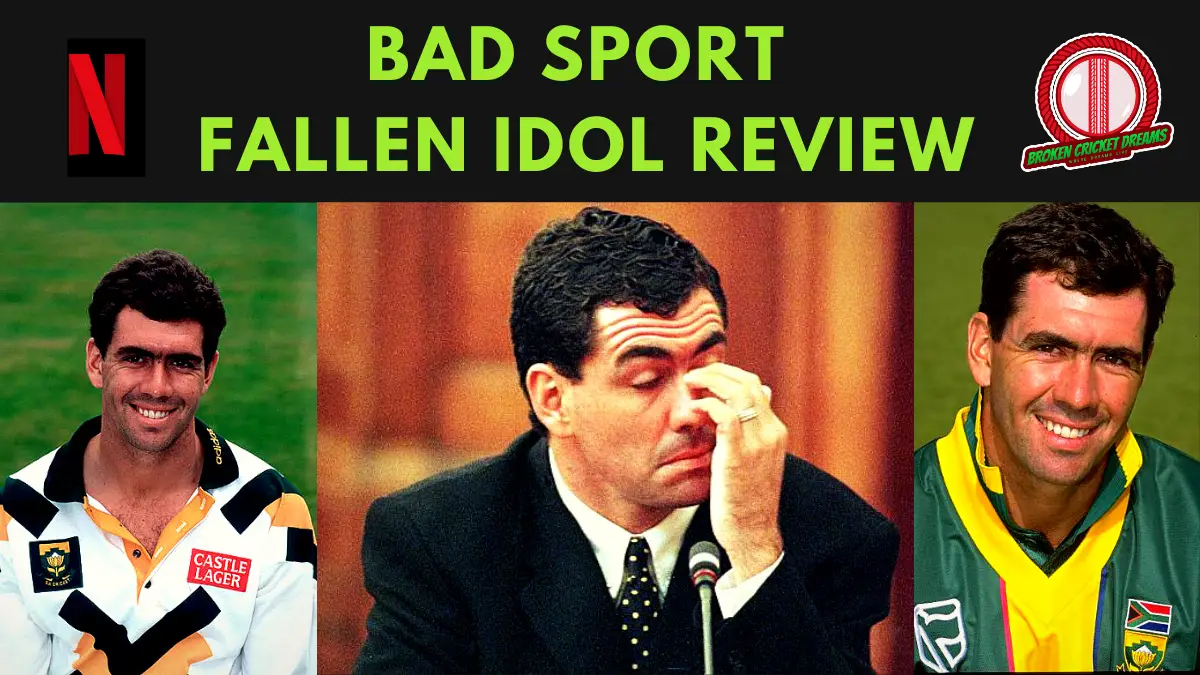
His career is a study in how NOT to treat a cricketer or any professional athlete for that matter.
Ignorance, But Not Bliss
The retirement call might have been hastened by ECB’s careless choice of announcing new central contracts amidst a tumbling World Cup campaign.
These contracts are said to be worth between £130,000–£800,000. These are multi-year contracts with additional scope of £70,000 for any County commitments. Why did the ECB need to take such drastic actions?
Well, cricket is changing and 2023 has been a watershed moment with SAT20, ILT20, and MLC offering more income and additional options to IPL, BBL, CPL, and PSL. With IPL franchises owning teams around the world, there were murmurs about franchises offering year-long contracts to players, thereby threatening the last remaining bits of international cricket.
The English administration had to act fast. And act they did.
27 England players were offered a central contract. Every member in the World Cup squad except for one was offered a central contact.
And that one was David Willey.
Ignored.
England’s 2023 World Cup Debacle
The decision would have made sense had Willey been out of favor for a few months or had a dip in form or was out of his prime, but let’s look at the facts.
In England’s derailing World Cup, who has the best batting average? You guessed it right, David Willey — 42.00 (yes he bats in the bottom and may have not-outs to boost him up but so what…let’s not go in the details here)
Willey is also England’s third highest wicket-taker despite only playing 3 matches so far — 5 (the only more unfortunate player than Willey is at the top of England’s bowling charts — Reece Topley, who has gone back home with yet another freak injury).
2nd best bowling average — yep Willey again (behind Topley)
3rd most sixes…behind Malan and Mark Wood (which tells you everything you need to know about England’s listless World Cup)
But I know what you must be thinking — these are stats after the contracts were announced, but what about the statistics leading up to the World Cup?
Between the 2019–2023 World Cups, David Willey was England’s second highest wicket taker and the highest wicket taker for a pacer (37 wickets in 21 ODIs compared to 41 in 27 for Adil Rashid).
37 wickets, 22.35 Average, 5.2 Economy, best of 5/30, 4/5 fers: 1/2
Those are stellar figures. In the absence of Jofra Archer & Mark Wood, Willey often led the attack alongside Topley & Saqib Mahmood.
Imagine taking 52 wickets in 45 wickets and being a consistent member of the side for FOUR years before being dropped on the eve of the World Cup (after being initially selected)…for someone who had taken 3 wickets.
Well that happened to Willey. Now of course, it’s another story that the person he was dropped for was none other than Jofra Archer, waiting for his residency period to complete after immigrating from Barbados. Archer would end up playing an instrumental part in the World Cup victory a month later and bowled THAT Super Over.
Anyway, back to Willey.
What’s more depressing is that deep down, Willey predicted that he would be the one to be cut. He said a few days earlier to Archer’s inclusion,
“It’s an interesting dilemma for the captain, coach, and selectors. It’s a group of players that have been together for three or four years now that have got us to No. 1….Whether someone should just walk in at the drop of a hat because they are available, whether that’s the right thing. I don’t know.”
I am sure Willey would have been crushed.
What did Ed Smith, England’s selector back then, have to say?
“He deserves to be in the World Cup squad. But that’s sport.”
Broken Cricket Dreams.
The Hope of 2022
When there is disappointment, there is always a glimmer of hope.
Willey did enjoy some good memories over the years.
In domestic cricket, he gained a reputation of batting in the top order and hitting some gigantic sixes. He was England’s leading wicket taker in the 2016 T20 Final and had a stunning all-round performance of 21*(14) of 4–0–20–3 in the Final (could have been a player of the Final…but unfortunately, Marlon Samuels & Carlos Brathwaite had other plans).
Then the 2019 World Cup happened.
He made another comeback and was selected in the 2021 & 2022 T20 World Cup squads but would not end up playing a single game (at least he finally lifted the T20 World Cup Trophy with the team).
Forever on the Sidelines
First there was Archer. Then another player picked out of thin air, Tymal Mills.
With Topley & Sam Curran around, there was always competition in the left arm pace department. In the all-rounders category, England were blessed with Stokes, Woakes, and Moeen Ali.
Willey had to prove to the selectors every time he took the field in an England jersey because his spot was never confirmed. He was always in the scheme of things but only on the edge. As a substitute, an injury replacement.
But once another shining player was found or conditions did not favor swing, Willey was the first to be dropped.
In this case, he was the only one not among 27.
England lost out on Willey, not the other way around. David Willey — Forever on the sidelines.
Resilience and Determination – David Willey in his Own Words
And here is David Willey’s retirement statement in his own word.
“Winning World Cup with my family around…that medal there…I didn’t play in that World Cup…But that victory signified so much for me…Coming back into the side and being there…that was very special.”
Have you ever seen Harsha Bhogle hit six sixes like Yuvraj Singh, hit a straight drive like the God of Cricket — Mr. Sachin Tendulkar, or bowl deadly inswinging yorkers like Wasim Akram?
I bet not.
Then how exactly did Harsha Bhogle become the voice and face of world cricket?
The tournament’s entertainment value is increasing by the day, but this World Cup is still missing two things — a thriller & Harsha Bhogle’s voice. Unfortunately, Mr. Bhogle has caught another fever, dengue, and has had to subsequently miss a few matches.
It is the days that he is not present that you miss his voice the most.
Okay okay, I know I am deviating. Anyway, back on topic. Where were we again?
Oh yes, how did Harsha Bhogle become Harsha Bhogle?
Did he take voice coaching lessons? Did he get a PhD in phonetics & linguistics? No, no he did not.
Harsha’s mother and uncle had arrived in India from Lahore on an army train right before the Partition in 1947.
He remarked in The Grade Cricketer’s podcast, “For my father’s generation, survival was important.” Just like many Indians in that generation, he grew up in a middle-class household. Both his parents were professors. So naturally, education was at the forefront of his upbringing.
Bhogle completed his undergraduate in chemical engineering and then went on to graduate from IIM Ahmedabad in 1985. He even worked in advertising for a couple of years after his education.
However, he did not forget his first love, cricket.
He had played Division A level cricket in Hyderabad along with competing at Osmania Nizam University & company teams. In Hyderabad, he had played with the likes of Arshad Ayub and Mohammad Azharuddin, a cricketer he would later write a biography of. (As an aside, he was once offered the opportunity to bat at #3, but said no. He was eventually picked for the university team but unfortunately did not make the XI).
The Greatest Weapon
Harsha Bhogle’s greatest weapon is his voice.
He found his voice during elocution & debate contests in high school. The ‘Eureka’ moment in his career came when he realized he could combine this gift with the love of cricket.
His broadcasting journey began with a 15-minute commentary stint during a Hyderabad vs Kerela Ranji Trophy match. Later in 1983, he took part in his first ODI broadcasting assignment on Doordarshan-Hyderabad.
By the time we arrived at the 1992 Cricket World Cup in Australia and New Zealand, Bhogle was recognized as the “sexiest voice on radio.”
“I didn’t look like a model, I didn’t play a 100 Test matches. There was lots of things I wasn’t. So, I didn’t have the option to say ‘No’ to anything…When you say ‘Yes,’ it’s a fantasy world. You don’t know where you will go when you say yes.”
From All India Radio & the BBC to Kutti Stories with Ravichandran Ashwin & Cricbuzz Live, Bhogle’s evolution is his mark of success. Sometimes he is having fun with Gaurav Kapur & Joy Bhattacharya, while at others, he is critically analyzing the state of world cricket with Ian Bishop, Nasser Hussain, and Mike Atherton.
To hone his skills and stay relevant in the broadcasting world, he did anything and everything. He has covered matches in makeshift commentary boxes in Hyderabad, written for several newspapers, transitioned to radio, become the face of cricket during live television, conducted quiz shows, talked about mental health, given inspirational speeches to the next generation, written books, interviewed the CEO of Google, Sundar Pichai, and has done a heck of a lot more. Bhogle’s multilingual background aided in his evolution as a broadcaster. He wrote magazine columns in Marathi, took broadcasting assignments in English, interviewed in Hindi, and joked in Hyderabadi.
Throughout his career, he has interviewed Sir Garfield Sobers, heard memorable stories from another great Indian commentator, AFS Talyarkhan, and possibly most importantly, covered the career of Sachin Tendulkar.
The Voice That Propelled Sachin Tendulkar
An article on Harsha Bhogle is incomplete without a mention of Sachin Ramesh Tendulkar.
Even Ian Bishop took a step aside when Harsha concluded one of the great careers in one of the legendary segments of cricket commentary.
“This is an indicator what one man meant to a nation. With Tendulkar, it was not just cricket…He’s been a good man, apart from being a great cricketer, Tendulkar…Tendulkar meant to India more than just the numbers. It’s as if Tendulkar was born to be great and everyone just looked after him. Everyone in Indian cricket, in Mumbai cricket, looked after him. Everyone will have their own Tendulkar story to tell…Those 22 yards made that little boy from Bandra the legend that he became.
Without the voice of Bhogle, Sachin’s shots might not have been heard around the world.
What Characteristics Makes Harsha Bhogle Good?
Bhogle often says that for broadcasting metrics, “Chappell is my guru for work ethic.”
He prepares for each interview, writes down notes, talks to Simon Taufel to understand the rulebook, and draws from the wisdom of other cricketers to understand how to analyze techniques and read the pitch conditions.
He continues to learn and innovate. Not many would have the courage to dive into the world of Twitter, YouTube, and podcasts. He keeps on learning. But that’s how he has managed to stay relevant in the industry for over four decades. Two of his own quotes describe him best,
“The day you think you know everything in life, you’ve descended already. You’re gone.”
“Sometimes, we wait for the big things to happen in life…Be happy with small times….But don’t wait for the big thing to happen.”
Final Thoughts
When things are all said and done, what will I remember the most about Harsha Bhogle?
Along with the voice, came the infectious personality — the expressions, inflections in the voice, historical references, the smile, research into players’ backgrounds, and the contrast between serious bits & humor. He talks mostly about cricket but speaks with an open mind.
As cricket fans, we like to talk about our cricket heroes, the greatest Test match players, and the best World Cup finishes.
Sometimes, we should sit back and appreciate the people who make the cricket community great — The commentators, the umpires, the ground staff, the security staff, administrators, and many other individuals behind the scenes.
I will leave you all with this quote by American poet and civil rights activist, Maya Angelou:
“People will forget what you said, people will forget what you did, but people will never forget how you made them feel.”
And Harsha Bhogle did exactly that. He provided us with the little moments of joy to live by.
Today we talk to Vandit, a mathematics graduate student from Australian National University (ANU) in Canberra. He attended the Only Test between England & Australia in the Women’s Ashes Test at Manuka Oval in Canberra held between January 27-30, 2022.
What a breathtaking Test match that was. One wicket to go, fielders crowding around the bat, and an anti-climactic full toss. Match Drawn, a befitting result to the great battle between the two teams over four days.
This was Heather Knight’s Test (168* & 48), but there were so many other moments in the game—Haynes 86-Lanning’s 93, plenty of 50s, Katherine Brunt’s 5-fer, the Knight-Ecclestone partnership, Australia’s middle order, declarations, the Sciver-Dunkley assault, Beth Mooney’s catch, and Alana King’s marvelous debut.Relive the last day highlights here.
The Interview
I would like to take a moment to thank Vandit for doing this interview. He has been an ardent follower of the Broken Cricket Dreams Blog from Day 1. Love the interaction, comments, and suggestions! Thank you for all the support 😊
Vandit is a lifelong follower of cricket and holds deep analysis about each and every aspect of the game. His statistical skills are second to none and as some of you may know, so are his prediction skills. Without further ado, here is my dear friend Vandit—Women’s Ashes Test experience, hopes and dreams, discussion on Ganguly-Dhoni-Kohli, and more. Expect a hint of philosophy as well🔥🔥
1. What days of the Women’s Ashes Test did you attend?
Day 2 and Day 4.
2. What was your overall feel & atmosphere of the ground, especially with that ending.
There was good support. The ground wasn’t anywhere near full, but there must have been a couple of thousand people. That’s more than enough to create an atmosphere. The noise and support inside a stadium is something else. If you want to watch every ball and soak in every detail of the match, it’s better to watch on TV because you get all the best camera angles and all kinds of replays. For instance, if you’re watching at the ground from square leg, it’s hard to tell how much the ball is swinging, seaming, or turning.
But if you want to feel the atmosphere, nothing beats going to the ground. ‘Fan parks’ or ‘mass viewing areas’ might come close for atmosphere but the ground itself is something else, because there are people shouting suggestions and praise at the players,
‘Keep up the pressure, girls’ or ‘Just a wicket away.’
But there was also appreciation for opposition performances, particularly Heather Knight’s century in the first innings. The massive roars the fall of a wicket in the final session, particularly Darcie Brown’s LBW dismissal of Heather Knight and Beth Mooney’s catch at deep midwicket off Alana King to dismiss Sophia Dunkley stood out.
3. What are you looking forward for in the Women’s World Cup?
A competitive, exciting World Cup hopefully. Australia will probably win. A competitive tournament with India going far would be great for the game at the stage.
4. Thoughts on the Women’s IPL?
Looking forward to a Women’s IPL. There’s more than enough talent for a quality competition, and we’ve seen the Big Bash. And now that it’s in the pipeline, that’s good news for cricket.
5. Any Opinions 4-Day Tests in Women’s Cricket?
I think 4 days is okay to start off, since most first-class games are played over 4 days. They don’t play much domestic red ball cricket anyway, so going from limited overs domestic to 5-day Test is quite a jump. More important thing to be addressed for women in the number of tests.
6. How many other live matches have you attended/any particular memories?
Attended another couple of matches but a long time ago. An India vs Zimbabwe ODI in the VB Series in 2004, when Zimbabwe regularly competed strongly against the top sides stands out, a close finish with India winning by 3 runs.
7. Describe your playing career.
Used to play for school until early high school but stopped. Recently started playing for the university’s club. One of the reasons is that fans should support cricket in any way possible, and getting involved in the game, scoring, umpiring, playing, coaching, anything is good. Definitely encourage people to join their local club. If nothing is available close by, start something or just play with a group for fun, if not competitively.
Photos from the Women’s Ashes Test at the Manuka Oval
Here are some pictures from his stands at the Manuka Oval.
8. Favorite IPL team?
Chennai.
9. What were your major takeaways from the IPL Mega Auction?
I will be following the first round of the Ranji Trophy instead.
10. Broken Cricket Dream?
Not really any particularbroken dream. But most kids who play cricket do dream of playing for the country, but it was far-fetched. If I had played at a higher level, would have liked to bowl medium pace and be a useful batsman at 8.
11. How Has Cricket Helped You?
Cricket is obviously a great way to stay active and do so as a part of a team. In some way it is also a social activity which allows you to interact with others in a way that more individual sports like cycling or running don’t.
12. What Have You Learned From Cricket?
Being a team sport, cricket forces you to contribute as part of a group in different ways.
Of course, while batting, you want to stay out there andscore runs, buteven when you aren’t on strike, you want to run hard for your partner’s runs and be observant about the opposition’s bowling, fielding, and the condition of the wicket. That way, you’re contributing all the time, not just when you’re on strike.
And when you’re bowling, of course you want to keep it tight or take wickets but even when you aren’t, you want to save every run in the field, take a catch or effect a run out and keep the pressure up for the other bowlers.
That way cricket forces you to give your all at all times, not just when your stats are stake.
13. Cricketing Heroes and What You Have Learned from Them?
Sourav Ganguly for his fearless approach and want to take on the opposition in their home conditions; always having the fight even if the odds or history aren’t in your favour.
MS Dhonifor his calmness on the field, never too flusteredbyon-field happenings. This discussion is excellent.
Virat Kohlifor his passion and emotion, especially earlier in his career. A lot of people didn’t like that version of Kohli but just replays of how angry or disappointed he’d be when he used to get out and that’ll tell you how much he wanted to do well.
14. Broken Cricket Dream as a Fan?
I’ve read BCD articles since the beginning and have always enjoyed them. With some articles having a different twist, especially the philosophical considerations, BCD links cricket to life.It can be easy to follow a sport as just a sport and nothing else, and maybe that’s how it’s meant to be, but it’s hard to ignore the parallels between cricket and life, and lessons to be learnt from great cricket performances and great cricketers.
Thanks for checking out Vandit’s interview about the Women’s Ashes Test! Consider subscribing below and following Broken Cricket Dreams’ other social media platforms. It will be a big boost to us so we can continue to create this type of content. All you need to do is to type your email address below and hit subscribe.